.png)
Tree Trimming 101: Tips from a Certified Arborist

Tree trimming isn’t just about making your property look well-kept — it’s an essential part of maintaining the health, safety, and longevity of your trees. Done correctly, trimming can prevent disease, promote strong growth, and protect your home from dangerous falling limbs. Done incorrectly, it can cause irreversible damage.
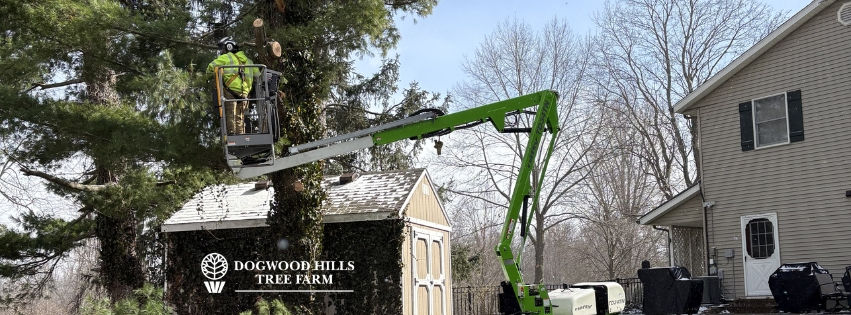
At Dogwood Hills Tree Farm, our certified arborists follow industry best practices to ensure every cut benefits your tree. Here’s your complete guide to understanding when, why, and how to trim your trees the right way.
Why Tree Trimming Matters
Healthy trees add beauty, shade, and value to your property. But without regular care, they can quickly become a hazard. Trimming provides these key benefits:
Improved Structure – Encourages a balanced branching structure that can better withstand heavy loads from wind, snow, and ice.
Disease Prevention – Removes infected or dead branches before they spread pathogens to the rest of the tree.
Enhanced Safety – Eliminates weak limbs that could fall on people, vehicles, or buildings.
When to Trim Your Trees
Timing is everything in tree care. While light maintenance can be done any time of year, there are ideal seasons for specific types of trimming:
Winter (Dormant Season) – Best for structural pruning because the tree is less stressed and pests are less active.
Late Spring - Early Fall – Good for shaping and removing small problem limbs.
Some species, such as Oaks, should ONLY be pruned during the dormant season to minimize the potential spread of disease.
If you’re unsure about timing for your tree species, a certified arborist can advise you.
DIY vs. Professional Tree Trimming
Light maintenance — such as removing small, dead twigs — can be safe for a homeowner with the right tools. But larger trimming jobs require specialized equipment, safety training, and knowledge of tree biology.
Call a professional for:
Branches near power lines
Large limbs that require climbing or rigging
Signs of disease or pest infestation
Trees with poor structural integrity
At Dogwood Hills Tree Farm, our trimming follows ANSI A300 standards to ensure each cut promotes long-term health.
Common Tree Trimming Mistakes to Avoid
Even well-meaning property owners can harm their trees by trimming incorrectly. Avoid these pitfalls:
Topping – Cutting off the top of the tree weakens structure and leads to unhealthy regrowth.
Flush Cutting – Cutting too close to the trunk damages the branch collar, slowing healing.
Over-Trimming – Removing more than 25% of the canopy at once can shock the tree.
Improper Tools – Dull or dirty tools can cause tearing and introduce disease.
The Dogwood Hills Tree Farm Approach
Our trimming process includes:
Initial Assessment – Inspecting the tree for structural issues, disease, or hazards.
Strategic Cuts – Removing only what’s necessary to enhance health and safety.
Clean-up & Health Check – Leaving your property tidy and your trees ready to thrive.
We combine decades of experience with modern arborist techniques to deliver exceptional results.
Final Thoughts
Tree trimming is one of the most effective ways to keep your property safe, your trees beautiful, and your investment protected. Whether you need light seasonal maintenance or a complete structural overhaul, Dogwood Hills Tree Farm has the expertise to handle it.
Ready for healthier, safer trees? Contact us today for a free tree trimming consultation.


Comments